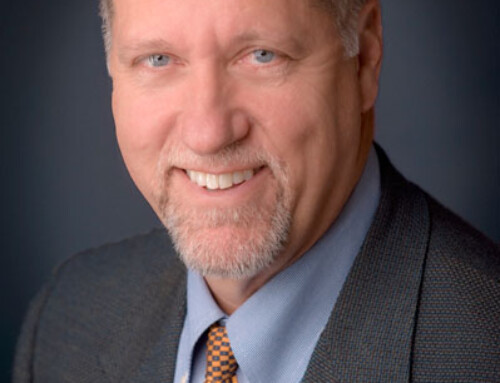
Published in the July 13-26, 2016 issue of Gilroy Life
By Marty Cheek

Marty Cheek
Everyone has a story. It’s a newspaper platitude, but there’s a lot of truth in it.
Sometimes when a just-out-of-journalism-school reporter joins a newspaper, the editor will test the newbie by opening up the local telephone book to the white pages, picking a name at random, then having them call that person and arrange an interview. It’s a fun way to discover some of the most amazing people in a town and learn their unique stories.
I often wonder what makes someone’s story worthy of news coverage. I suspect it’s the human factor, the fact that nearly every human being has some unique ability or unusual belief or dramatic family situation. It’s a individual’s unique elements that ignites the curiosity in us. Decades ago, a publishing corporation conducted a national survey to find out what was the No. 1 subject matter that people were interested in reading. It turned out to be something a kindergartner might have been able to tell the pollsters. The most interesting thing for people is… people. From that survey, I’m told, the publication People magazine was born.
One of the things that guided me into a career in journalism was an intense curiosity about people. Sometimes when I’m talking with someone and they’re telling me about someone they’ve met, I find myself spontaneously asking the question: “What are they really like as a person?”
In doing research and interviews for magazine and newspaper stories I’ve written during my journalism career, I’ve met famous people in business, science, technology, arts and entertainment and other fields. A few have been real jerks, but by far the vast majority have been incredibly decent individuals. But the thing that nearly always strikes me is how human they are — how often the image created by the media is wrong. The one thing I’ve really learned is everyone pretty much shares those common human factors that make us strong and fragile at the same time. No matter what your economic worth or social status or family upbringing, we all have those basic human hungers — especially the need to be respected and loved.
I’ve come up with a theory about humans and the unique story each person is the hero in. We all have three sides to our lives — the public side, the private side and the secret side. The public side is how we might want people to see us favorably in a social situation — whether it’s a politician giving a speech during an election campaign or a mother with her kids pushing a shopping cart down Safeway aisles with other customers around. The private side is how we act in a more intimate situation with the people we trust — maybe eating dinner at home with the family or relaxing with a glass of wine in the backyard with friends. We feel free to let down the public mask and be a bit more loose with what we say or do because we’re not facing the judgment of strangers.
In storytelling, the secret side of a character is their most fascinating. The secret side is that part of ourselves and our internal conversation that we keep closely guarded from any other individual — and sometimes from our very own selves. It’s probably our truest nature. It’s also what could make us vulnerable — and that’s why we often choose to keep it hidden from everyone else. That element of all of us could be the secret dreams of success in some area of life. Or it’s the fantasy of being heroic in some way or enjoying the prestige of our accomplishments. Or it’s the nagging personal doubt that maybe we’re not all that good after all, that our character flaws run too deep and we’re beyond salvaging.
Every now and then when I’m driving the streets of the South Valley, the light turns red and I stop at an intersection and watch the cars with the green light passing by and I peer inside at the occupants of those vehicles — men, women, children. I wonder what their stories might be. Questions pop into my mind: Where are they coming from and where are they going? What series of circumstances in their lives brought them to this place and point in time for me to briefly share it with them? What are their aspirations and dreams? What do they think about the most? What values do they care about and how does this drive them in what they say and do?
As each individual inside their car or truck speeds by, I imagine what they are like in the privacy of their own home with family and friends. And I wonder what their secret side is, what they keep closely guarded in their hearts, afraid that someone might one day discover that secret and that might make them vulnerable. And I wonder how their life story connects with all the other stories of humanity — past, present and future.
Most of us see ourselves as the hero of our own life adventure. And if we’re honest with ourselves, perhaps there are times when we serve as the “villain” of someone else’s story. That’s what creates the drama of daily life. We’re all connected through the stories we live — by the personal history we have that serves as the back-story that brought us to this moment in time.
The best way to live our own life stories is to remind ourselves that everyone we share this planet with are on their own journey of personal development. Everyone has a story.