

Educators estimate less than one-third of students will return to in-person teaching in the future
By Sandra Janisch and Daniela York
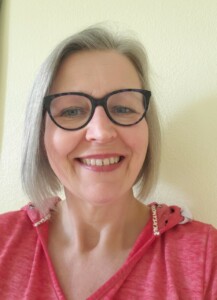
Daniela York
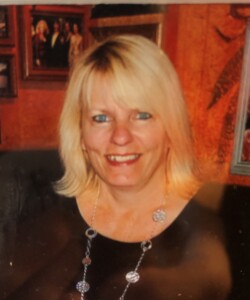
Sandra Janisch
When schools closed in March we had no idea we would soon be teaching students online, not only for the initial three weeks schools were scheduled to close, but for more than nine months now we see no end in sight. Because we serve severely handicapped students, transitioning them to distance learning was a challenge, but we did it.
Paraeducators learned to teach students in a different way, coaching their parents (a crucial practice) to assist them. Our students as well as their parents are engaged, productive, and happy. One mother relayed her gratitude for the opportunity to participate in our classes with her son.
They had not participated at first, but once they did she noticed real improvement in her son’s behavior. We need comprehensive training in health and COVID-19 safety protocols, and some classes require additional staff to assist with detailed cleaning protocols to keep everyone safe during the pandemic.
When SCCOE re-opened classes for in-person learning in October, our co-workers quickly learned that they were unprepared. Some classes were over-staffed and others were filled with students, increasing exposure risks unnecessarily and carelessly. We asked management for more training to respond appropriately — and though denied, we continued to press on.
 As a united group of workers, more than two months after special education classes reopened, we are finally receiving additional training, but this change, while an important step, is not enough to fully protect our staff and students.
Our staff needs to be able to work from home as much as possible, and while virtually the entire working world shifts to accommodate people amid the pandemic, we watch as SCCOE transforms telecommuting from a necessity that sustains the work and health of communities into a privilege for the select few. We wish to reduce exposure and transmission risks: even though public health orders allow essential workers to do their work in person, when the work can be done from home, that option should be made available when staff are willing and able.
We estimate that about less than one third of our students will return to in-person teaching in the future. Staff who care for and live with someone with a serious health condition or school-aged children need to be able to work from home. Our paraeducators meet this standard numerous times and in different diverse, heart-breaking ways.
 Sandra’s case is particularly difficult. Her 28-year-old son is on the autism spectrum accompanied by a seizure protocol. His day program was closed to in-person teaching in March due to COVID-19 and in order to accommodate her son’s needs, Sandy’s husband will be forced to quit his job because she will not be allowed to work from home by SCCOE starting in January 2021 when the Gateway school reopens again.
SCCOE feels staff should just go on leave, but COVID-19 leave ends on Dec. 31, and quitting means her family will lose their healthcare insurance outright. No staff member should be forced to go on leave or quit because they cannot work in-person, which also reduces the number of staff that can serve the students whose families choose to continue distance learning.
As paraeducators for the Santa Clara County Office of Education respectively for 23 and 7 years, Sandra Janisch and Daniela York work at the Gateway school site in Gilroy.


