Gilroy has a long history of strategically planning for the future

By Jimmy Forbis

Jimmy Forbis
 This message focuses on strategic planning and how project ideas grow into finished projects.
One of the most enjoyable aspects of working in local government is the ability to see or generate a project idea, figure out how to pay for it, get it approved, and build it.
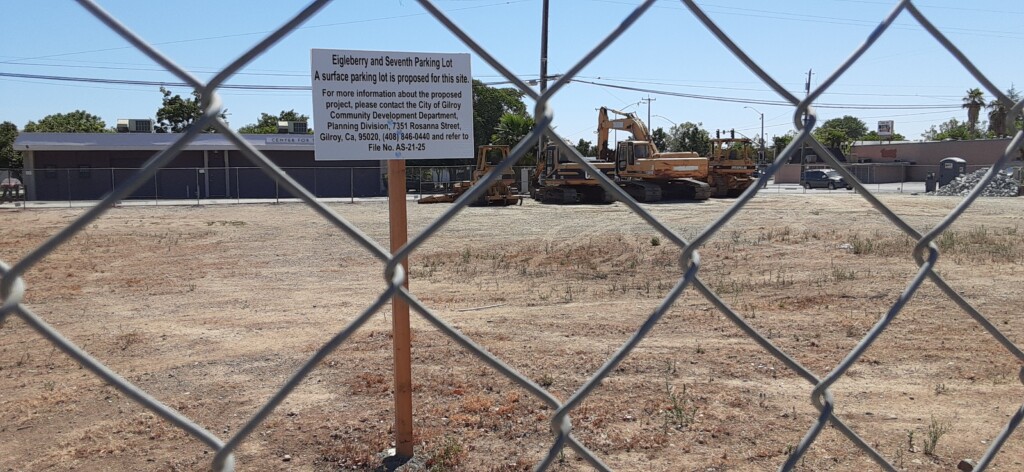
You can see that process in progress throughout Gilroy with the Street Maintenance Program, Recycled Water Pipeline Project, improvements to the Gilroy Library, Gourmet Alley, Eigleberry and 7th Street Parking Lot, and many others.
But how do these projects actually get from being an idea to completion?
Projects start with an idea or an identified need. Sometimes the idea or need comes from a councilmember, city staff, a community member or is identified by professional analysis through needs assessments.
The most successful capital projects in Gilroy have taken those ideas and incorporated them into the overall goals and plans of the city.
 For example, the Gilroy Sports Parks has been a city asset for more than 20 years and is guided by the Gilroy Sports Park Master Plan, which was first adopted in 1999. That plan has strategically identified how the property is to be used and breaks those uses into nine different phases.
This process is important as the document identifies the long-term plan for the land and conducts environmental impact analysis — it, in essence, gets the project “shovel-ready.”
The Sports Park Master Plan was last updated in 2020 to modify Phase III, which includes a commercial, recreational facility (ice rink), and 162 parking spaces.
In just the past year, the city has discussed a variety of ideas and needs, including the possibility of a new recreation center, a BMX park, pickleball courts, a disc golf course, futsal courts, dog parks, improved restroom facilities at existing parks, and many other possible plans for city facilities.
 These are all worthy ideas that deserve the city’s consideration — strategic consideration.
During the upcoming budget cycle for the Fiscal Years 2024 and 2025, the city will discuss the possibility of improving existing and constructing new recreational facilities
The strategic component of this process actually began in 2020 when the city completed the Gilroy Recreation Department Needs Assessment, a vital document that identified the community’s current and future recreational needs.
Gilroy has a long history of strategically planning for the future — planning that we currently benefit from. Projects like the Eigleberry and 7th Street Parking Lot, Gourmet Alley, and the Gilroy Library started with an idea and deliberate strategic planning. This process has served Gilroy well.
Jimmy Forbis is the Gilroy City Administrator.